Know the quality parameter before the laboratory does
Estimate values that are normally only available from a laboratory test using process signals you already measure, so quality drift is visible continuously rather than hours later.
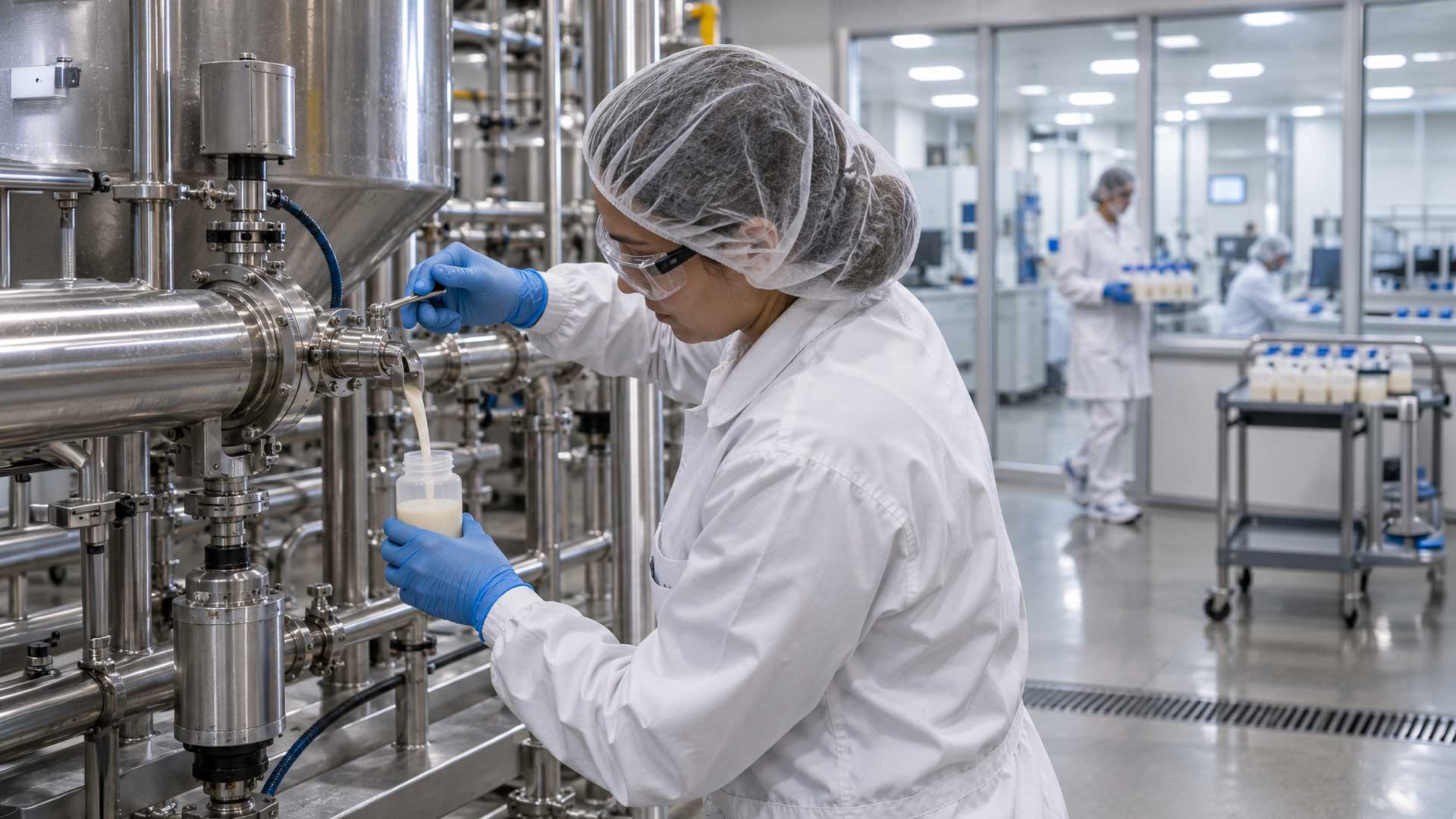
Quality decisions wait on results that arrive too late
Critical quality parameters are often confirmed only by laboratory analysis, hours after the product was made. In between, teams either hold product or accept risk, and a drift that began early in a run is recognized only once it has affected a whole batch.
- Quality confirmed hours after production
- Product held pending results that usually pass
- Manual sampling too infrequent to catch drift
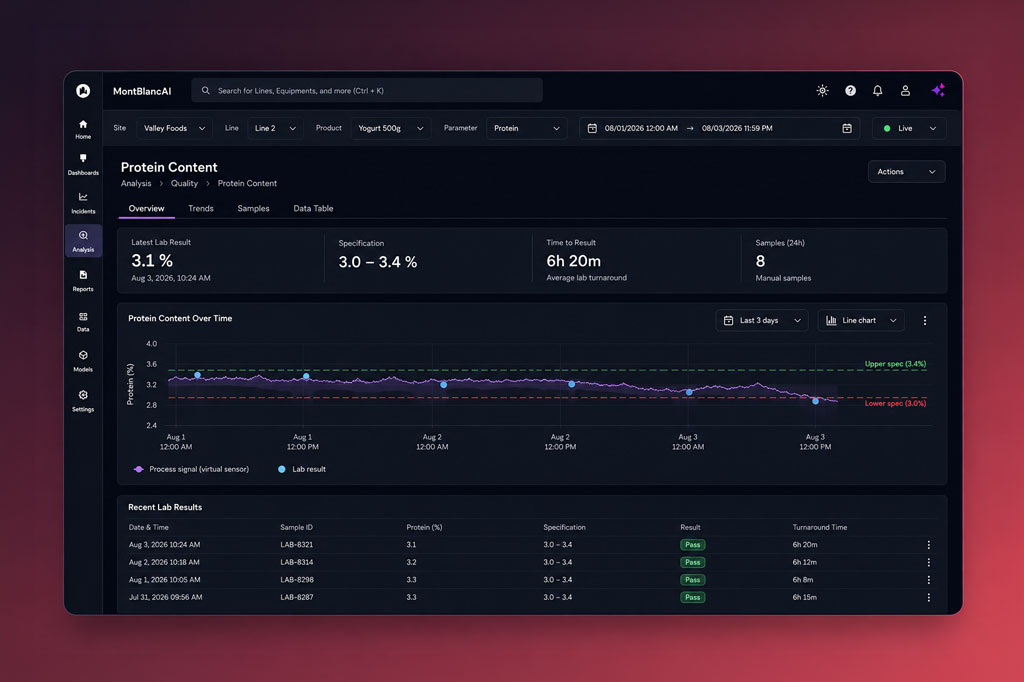
Shorten the distance between production and quality insight
Use continuous estimates between laboratory tests to act sooner and hold less product.

Detect quality drift earlier
See a parameter moving away from target during the run instead of after the result arrives.

Reduce product on hold
Give teams a continuous indication between tests, so less product waits for confirmation that it was fine.

Focus testing where it matters
Direct sampling to where the estimate suggests attention is needed, rather than relying on a fixed interval alone.
Quality estimated from signals you already have
MontBlancAI relates process conditions to measured quality outcomes, then uses that relationship to provide a continuous estimate between tests.
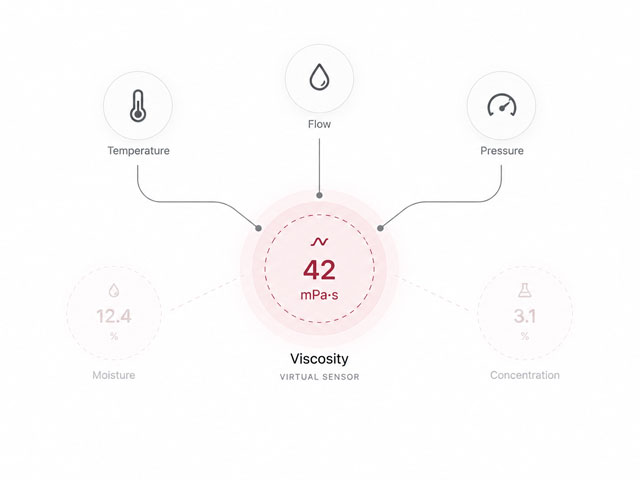
Virtual Sensors
Continuous estimates of parameters such as viscosity, moisture or concentration, derived from existing process measurements.
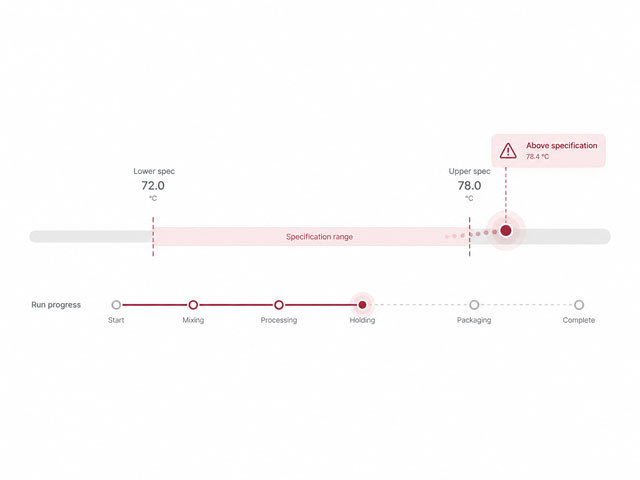
Specification Monitoring
Continuous comparison against specification, with deviations surfaced while the run is still in progress.
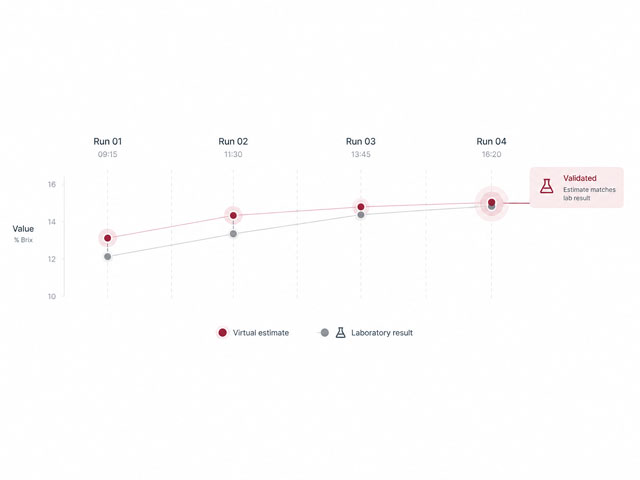
Laboratory Comparison
Estimates checked against actual laboratory results over time, so accuracy is validated and stays visible.
See what continuous estimation changes
Move from periodic confirmation to a continuous view of where quality is heading.
Built for real production environments
See how this use case applies across different manufacturing processes and industries


Common questions about virtual sensors
What a virtual sensor is, how it is validated, and where it does and does not replace laboratory testing.
What is a virtual sensor?
A model that estimates a quality value from process signals that are already measured, for a parameter that would otherwise only be known from a laboratory test.
Can this replace laboratory testing?
No. It is not a replacement for laboratory or regulatory testing. It provides a continuous estimate between tests, which helps teams react sooner and reduce how much product is held pending results.
How is a virtual sensor validated?
By comparing its estimates against actual laboratory results over a representative period, and by continuing to check that agreement as process conditions change.
Close the gap between process and laboratory